
You’ve made your film. It’s honest. It’s real. And it deserves to reach people who actually want to watch it, not sit in a festival queue hoping a distributor notices. The truth is, how independent films reach audiences today has completely shifted from the old model. You’re no longer waiting for permission from Netflix or waiting for a theatrical deal that never comes. Instead, you’re building a direct relationship with your audience from day one, and that’s where the real power lies.
The barrier to reaching global viewers has never been lower. But success isn’t about just uploading your film and hoping for the best. It’s about understanding the multiple pathways available and which ones actually drive revenue and viewership for your specific story.
Start Building Your Audience Before You Finish Filming
Here’s something most filmmakers miss: the best time to start reaching audiences is months (or years) before your film is done. Successful indie producers begin building their tribe during pre-production or early production, not after the final cut is locked.
Related: Own Independent Series After Purchase: Your Complete Guide
Related: Best Independent Episodic Series You Can Own in 2026
Related: Affordable Ways to Watch Indie Series in 2026
Related: How to Watch Indie Films Without Subscription in 2026
Related: How to Support Independent Filmmakers Directly in 2026
Related: Best Independent Filmmaker Platforms 2026: Top 5 Ranked
Related: Best Streaming Platforms for Independent Producers 2026: Top 6 Ranked
Related: Independent Producer Streaming Alternatives Beyond Netflix
Related: Support Independent Filmmakers: Buy Direct & Own Forever
Related: Independent Film Platform: Rent vs. Buy 2026
This means documenting your process. Share behind-the-scenes clips on social media. Give your followers insight into your creative decisions. When you finally release your film, you’re not starting from zero followers, zero engagement, zero trust. You’re releasing to an audience that has already invested in your vision and wants to support you.
Why does this matter? Because early audience building creates momentum. By the time your film is ready, you have a core group of people ready to rent or purchase on day one. These early viewers become your advocates, sharing your work with their networks. That organic word-of-mouth is invaluable, especially when you’re competing for attention in a crowded digital landscape.
If you’re looking for a platform where you can actually build direct relationships with viewers and earn revenue from day one without middlemen taking a cut, BourBon & White is designed exactly for this approach. You control your release, you keep your relationship with viewers, and you earn immediately.
Use Social Media as Your Primary Audience Channel
Forget about algorithms working in your favor by accident. A well-executed social media strategy is now one of the most direct ways independent films reach audiences today.
Related: Best Instant Streaming Access for Independent Films 2026
Related: Independent Films You Can Watch Online Right Now
Start by identifying where your niche audience actually spends time. Are they on TikTok? Instagram? YouTube? Reddit communities? LinkedIn? The answer depends on your film’s genre, theme, and audience demographic. A documentary about sustainable agriculture reaches different people than a noir thriller or a comedy about tech startups.
Once you know where they are, create content that speaks to them specifically. Share clips that highlight your film’s unique angle. Post quotes from characters that resonate. Go live and talk about your creative choices. Build community by engaging with other creators in your niche. Answer comments. Start conversations.
Social media isn’t just promotion, it’s audience research. Pay attention to which posts get engagement. What resonates? What questions do people ask about your film? What themes spark conversation? This feedback directly informs your release strategy and helps you refine your messaging.
According to Forbes research on creator economics, filmmakers who invest in authentic social engagement see 3-5x higher conversion rates when they ask their audience to watch or purchase their work. That’s not a coincidence, that’s direct cause and effect.
Combine Multiple Platforms for Maximum Reach
No single platform owns your audience anymore. The filmmakers seeing real success right now use a hybrid distribution approach, which means your film lives on multiple services simultaneously.
Think about it this way: Some viewers want to rent for 24 hours at a low price. Others want to own the film permanently. Some discover films through social media. Others search for specific genres on streaming platforms. Some audiences are in regions where certain platforms dominate. If your film is only on one platform, you’re leaving money on the table and missing viewers who would happily watch if you met them where they are.
A hybrid strategy typically includes:
- Direct-to-audience sales (where you keep the most revenue)
- Ad-supported VOD platforms that expand international reach without upfront costs
- Niche streaming communities aligned with your film’s genre or theme
- Social media clips that drive awareness and link back to your full film
The key is using each platform for what it does best. Social media builds awareness. AVOD platforms expand geographic reach. And direct rental and purchase models let you capture the viewers who are ready to commit, giving you the highest margin per sale.
Focus on Direct Relationships Over Third-Party Validation
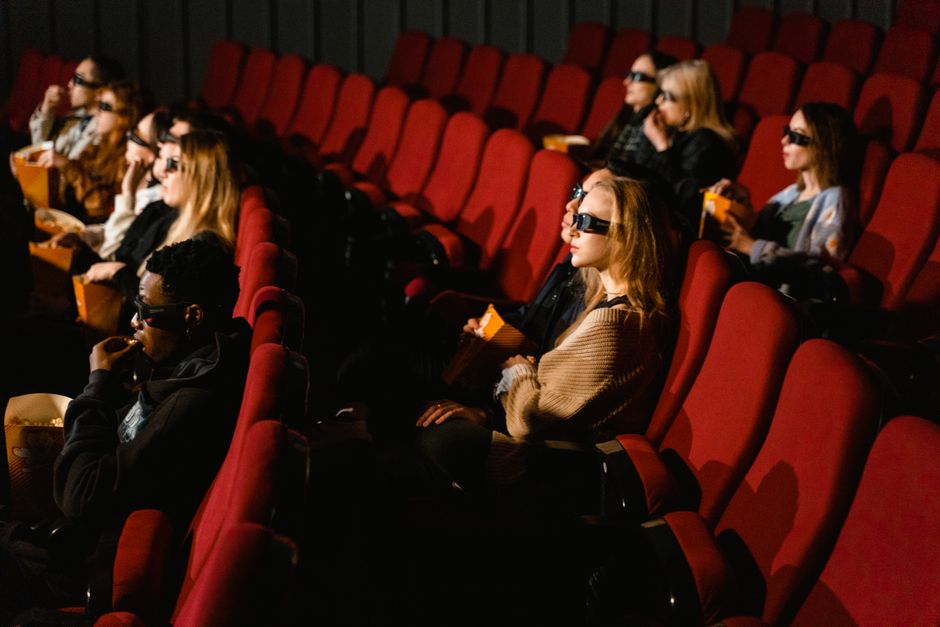
The old model relied on gatekeepers: festivals selected films, distributors acquired them, platforms promoted them. If you didn’t make it through the gate, your film was invisible.
That’s not how it works anymore, and honestly, it’s good news for you. The filmmakers winning right now are building their own gates. They’re creating direct relationships with audiences, collecting email addresses, building community spaces, and earning revenue without waiting for a major distributor or festival to validate their work.
When you own the relationship with your audience, you control the narrative about your film. You decide when to release it. You decide the price. You decide how to market it. You keep the majority of revenue. And critically, you build the foundation for your next project because you already have an audience ready to support you again.
This is what “no gatekeepers” actually means in 2026. It’s not that validation doesn’t matter. It’s that your audience becomes your validator. If thousands of people pay to watch your film, that’s real market validation, and it’s worth more than a festival laurel that comes with zero revenue.
Make Your Release Strategy Data-Informed
Once your film is available, you now have access to real-time data about who’s watching, where they’re coming from, and what’s driving conversions. Use it.
Which social media platform is sending the most viewers? Double down there. Which geographic regions have the strongest engagement? Consider offering region-specific promotional pricing or language options. Which audience segment rents versus purchases? Tailor your messaging accordingly.
This feedback loop is your competitive advantage. You can adjust your strategy in real time based on what’s actually working, not on assumptions about what should work. Most indie filmmakers never get this data because they’ve handed off their film to a traditional distributor who doesn’t share detailed analytics.
When you work with platforms that prioritize direct creator relationships, like BourBon & White’s transparent rental and purchase model, you get actionable insights that help you understand your audience and improve your next release.
Build Your Film’s Continuity of Expression
Here’s something most people don’t talk about: how your film reaches audiences is inseparable from the story you’re telling and the integrity of that story.
When you rely on platforms with algorithmic recommendations, you’re letting their content guidelines and recommendation logic shape how your film is presented. When you rely on a distributor, you’re letting their release strategy and promotional voice represent your work.
When you own your release and your direct audience relationship, you maintain continuity of expression. Your film is presented exactly how you intended it. The people who discover it do so because they’ve engaged with your genuine marketing, not because an algorithm decided to promote it this week. That authenticity matters, and audiences can feel the difference.
That doesn’t mean it’s easy or that you don’t need help. But it means you’re in control of the experience from creation through distribution through the viewer experience.
How much should I charge to rent or sell my independent film?
Price depends on your film’s length, genre, production quality, and target audience. Industry standard for indie films is $2.99-$3.99 for rentals and $4.99-$9.99 for purchases. Test different price points and use viewer data to optimize. Consider your production costs and whether you need volume or margin to break even.
Do I still need to submit to film festivals if I’m reaching audiences directly?
Festivals and direct distribution aren’t mutually exclusive. A festival premiere can generate press and credibility. But the days of festivals being your only path to distribution are over. Focus on festivals aligned with your film’s genre or theme, not generic festival circuits. And prioritize festivals that offer real networking or industry access over entry fee mills.
How long does it take to build an audience for an independent film?
If you start building before production, you can have 500-2,000 engaged early supporters by release day, which creates momentum and word-of-mouth. If you start from zero at release, expect 3-6 months of consistent effort to build sustainable viewership. Consistency matters more than perfection. One thoughtful social post a week beats sporadic activity.
What’s the difference between direct-to-audience sales and AVOD platforms?
Direct sales (rent or buy through your own platform or creator-friendly services) give you the highest margin per sale and direct viewer relationships. AVOD platforms (ad-supported) have lower per-view payouts but expand your reach to audiences who won’t pay upfront. Use both. Direct sales for committed viewers, AVOD for discovery and geographic expansion.