
Supporting independent filmmakers directly means cutting out the middleman and getting your money or energy straight to the creator. No algorithm decides what they make next. No platform takes a cut. Just you, the filmmaker, and their vision.
The good news? It’s way easier than you think. Whether you’ve got $20 to spare or you’re willing to mentor someone through their first feature, there are concrete ways to back indie creators right now.
Related: Best Indie Episodic Series to Stream in 2026
Related: Best Independent Episodic Series You Can Own in 2026
Why Direct Support Actually Matters for Independent Filmmakers
Independent filmmakers operate on razor-thin budgets. A single $50 donation can cover festival entry fees that connect them with programmers who greenlight their next project. That’s not a small thing.
Related: Support Independent Filmmakers: Buy Direct & Own Forever
Related: Independent Film Platform: Rent vs. Buy 2026
Related: Independent Films You Can Watch Online Right Now
When you support them directly, you’re not funding a corporation’s content machine. You’re funding continuity of expression. You’re saying, “I believe in your story enough to bankroll it.”
Platforms like BourBon & White exist because creators needed an alternative to traditional gatekeeping. But even platforms that respect filmmaker autonomy can’t replace direct fan backing. That relationship—creator to viewer—is where real power lives.
7 Direct Ways to Support Independent Filmmakers
1. Send Micro-Donations for Festival Entries
Festival entry fees add up fast. Most competitive festivals charge $50-$150 per submission. A filmmaker submitting to 10 festivals just spent $500-$1,500 out of pocket.
Even a $20-$50 donation makes a tangible difference. Ask the filmmaker which festivals matter most for their project, then contribute to those specific entries.
2. Follow and Engage on Social Media
This one costs nothing but changes everything. Filmmakers track social engagement religiously. Follows, comments, shares, and retweets are the currency that proves audience interest to potential investors and distributors.
Monitor their Twitter, Instagram, and TikTok accounts actively. Like their posts. Comment thoughtfully. Share their updates with your own followers. It’s free support that signals demand.
3. Contact Filmmakers Directly and Ask How to Help
Seriously. Send them a DM. Email them. Ask what they need most right now.
Maybe they need $200 for color grading. Maybe they need someone to help distribute their film on social channels. Maybe they need a production assistant for reshoots. Some filmmakers are too shy to ask for help, but almost all of them will respond if you offer.
4. Donate to Film-Focused Non-Profit Organizations
Groups like The Film Collaborative (TFC) offer free distribution education and fiscal sponsorship to indie filmmakers. Your donation there doesn’t fund one creator—it funds the entire ecosystem.
Other organizations run mentorship programs, equipment libraries, and grant initiatives. Many offer membership tiers. You’re leveraging your contribution across dozens of filmmakers at once.
5. Participate in Mentorship Programs
If you work in any creative field—writing, marketing, business strategy, sound design, anything—pair yourself with a filmmaker who needs guidance.
Established programs connect experienced pros with emerging filmmakers one-on-one. Your time is money. Your expertise is a direct investment in someone’s career trajectory.
6. Buy or Rent Films from Independent Platforms
This is the most straightforward move. When you rent or purchase an indie film, a much larger percentage of that money flows directly to the filmmaker than it would through traditional distribution channels.
Related: Best Instant Streaming Access for Independent Films 2026
Platforms like BourBon & White handle the technical side—24-hour rentals at $2.99 or permanent purchases at $3.99—so creators don’t have to. No gatekeepers deciding what gets distribution. No algorithm hiding their work behind a paywall you can’t see.
7. Research and Champion Festivals with Low Entry Fees
Some festivals have entry fee minimums as low as $10-$25, especially regionally or internationally. Others offer discounts for early submission or multi-film packages.
Know these festivals and recommend them to filmmakers you support. Help them understand which low-fee festivals have real reach and credibility. Your research becomes their roadmap.
How Much Should You Actually Give?
There’s no minimum. A $20 donation is meaningful. A $100 donation changes someone’s month. A $500 contribution might fund an entire remaster or a professional poster.
Here’s the thing: the size of your contribution matters less than the consistency and intentionality of it. Pledging $10 to five different filmmakers you genuinely believe in hits different than a one-time $50 to someone you don’t follow.
Set a monthly budget—$25, $50, whatever fits your life—and rotate it between creators whose work you want to see made.
Building a Sustainable Filmmaker Support System
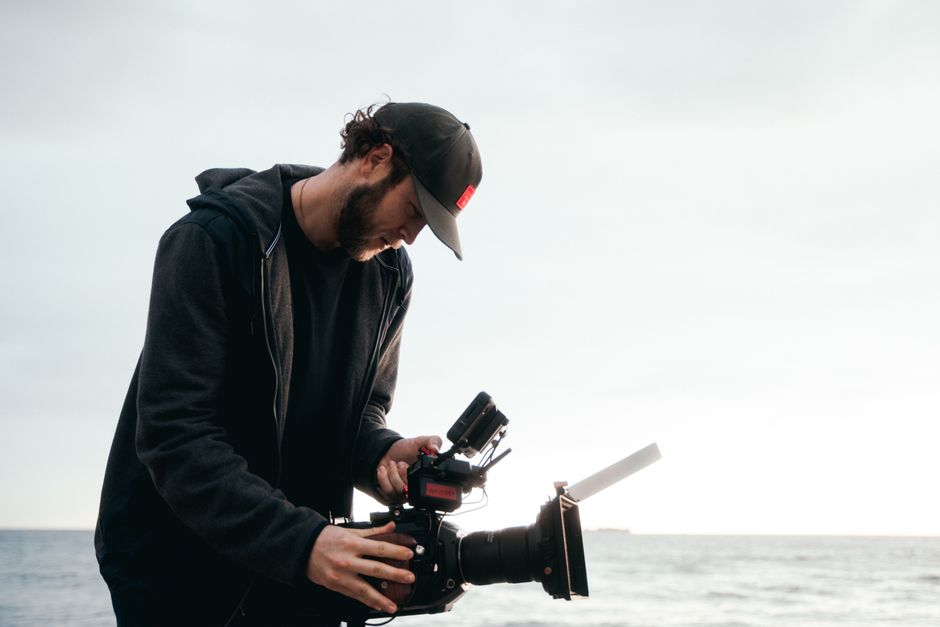
Think long-term. Follow a filmmaker’s journey from project to project. Watch their earlier work, celebrate their wins, and show up when they’re fundraising.
The filmmakers worth supporting are usually working on the next thing before the last thing even premiered. Your sustained attention and periodic contributions become the difference between them making the next film or taking a job that pulls them away from their art.
This is why independent distribution platforms exist. Creators need viewers who are invested enough to seek them out directly, not just passive consumers waiting for an algorithm to serve them content. When you actively support indie filmmakers, you’re participating in a different model entirely—one where continuity of expression isn’t negotiable.
Where to Find Independent Filmmakers Actively Seeking Support
Start with Indie Film festivals that publicize their selections. Follow filmmaker Twitter communities and look for posts about fundraising campaigns. Check subreddits dedicated to filmmaking.
Join Patreon and look for filmmaker accounts. Browse emerging filmmaker directories on sites like Filmmaker Magazine and IndieWire.
Ask other filmmakers you know for recommendations. The indie community is tight. People know people. A warm introduction from another creator carries more weight than cold outreach anyway.
If you’re specifically looking to support voices that align with creator-first distribution, explore platforms built on this principle and check their featured creators for emerging talent worth backing.
What NOT to Do When Supporting Indie Filmmakers
Don’t expect anything in return except the work itself. Supporting someone creatively isn’t transactional.
Don’t donate with strings attached. “I’ll fund your movie if you cast my friend” or “I’ll donate if you make this kind of story” kills the whole point.
Don’t ghost after one contribution. Consistent belief matters more than a single big gesture.
Don’t assume filmmakers have social media presence. Always ask how they prefer to stay connected and how they want you to help.
The Real Impact of Direct Support

When you support independent filmmakers directly, you change what gets made. Not in a controlling way, but in a statistical way. The creators who receive consistent backing have resources to experiment, take risks, and ignore industry pressure to make something safe.
They make weirder stuff. Better stuff. Stuff that wouldn’t survive a traditional gatekeeping process but absolutely resonates with real audiences.
That’s the entire point. No gatekeepers. Just the filmmaker, their vision, and the viewers who believe in them enough to back their work with actual time and money.
How much do independent filmmakers actually need to get funded?
It depends wildly on scope. A short film might need $500-$5,000. A feature could run $10,000-$100,000+ depending on production value and distribution goals. The key: most indie filmmakers piece funding together from multiple small sources rather than securing one big investment. That’s why your $50 isn’t insignificant—it’s part of the mosaic.
Can I support filmmakers anonymously?
Absolutely. Many filmmakers accept anonymous donations through platforms like Ko-fi, Buy Me a Coffee, or even old-school PayPal transfers. If personal connection doesn’t appeal to you, the filmmaker still benefits. The work still gets made.
What if a filmmaker I want to support doesn’t have a clear way to donate?
Ask them directly. Send a DM saying, “I love your work and want to support you financially. What’s the best way to do that?” Most creators will give you their Venmo, PayPal, or point you toward their website fundraising page. They’re rarely offended by the offer.
Is supporting indie filmmakers better than buying streaming subscriptions?
They’re different choices. Subscriptions give you access to broad libraries. Direct support funds specific creators and projects. If you’re serious about championing independent work, doing both makes sense—but prioritize direct support if your budget is tight. That money goes further and demonstrates real demand.