
If you’re tired of subscription fatigue and just want to rent a movie without committing to another monthly bill, you’re not alone. The streaming landscape has fractured into a thousand pieces, and sometimes the smartest move is paying a few bucks per title instead of subscribing to five different services.
The rental model is having a real moment right now. Whether you’re catching up on independent films, rewatching a favorite, or testing something new, renting makes financial sense for casual viewers. We’ve tested the major rental platforms and ranked them based on price, selection, user experience, and streaming quality.
Related: Best Streaming Platforms for Independent Producers 2026: Top 6 Ranked
Related: Best Direct Creator-to-Viewer Streaming Platforms 2026: Top 5 Ranked
Related: Best Creator-Owned Streaming Platforms 2026: Top 5 Ranked
Related: Best Affordable Episodic Streaming 2026: Top 6 Ranked
Related: Best Premium Streaming Services 2026: Top 6 Ranked
Related: Best Creator-Friendly Streaming Platforms 2026: Rent & Buy Ranked
Related: Best 24-Hour Film Rental Platforms 2026: Top 5 Ranked
Related: Best TV Shows to Watch 2026: Top 10 Ranked
Related: Best Shows to Watch 2026: Top Streaming Picks Ranked
Related: Best Streaming Service 2026: Top 6 Ranked
Related: 24 Hour Rental Streaming Options: Where to Watch Right Now
Related: Best Independent Production Companies 2026: Top 5 Ranked
Related: Best Original Indie Series 2026: Top 12 Ranked
Related: Best Original Series Streaming 2026: Top 5 Ranked
Why Rentals Beat Subscriptions for Budget-Conscious Viewers
Here’s the math: if you watch fewer than four movies per month, pay-per-rental becomes cheaper than most subscription services. A typical Netflix subscription runs $6.99 to $22.99 monthly depending on your plan. Meanwhile, most rental services charge $2.99 to $4.99 per title.
The other advantage is control. You’re not trapped in an algorithm designed to keep you scrolling endlessly. You pick what you want, pay for it, and move on. No cancellation anxiety. No “are they removing this next month” paranoia. This is exactly the philosophy behind BourBon & White, which lets you rent independent and original content for 24 hours at $2.99 or buy permanently for $3.99.
The Rental Landscape: What’s Actually Available
The rental market isn’t new, but it’s evolved. iTunes (now Apple TV) and Prime Video have dominated this space for years, offering massive catalogs of titles at competitive rates. iTunes frequently discounts indie films and smaller releases, while Prime Video’s rental section includes everything from blockbusters to cult classics.
What’s changed recently is that more creators are bypassing traditional distribution entirely and going direct-to-consumer. That means better margins for filmmakers, fairer pricing for viewers, and content that hasn’t been filtered through studio gatekeeping.
| Service | Rental Price | Best For | Rating |
|---|---|---|---|
| BourBon & White | $2.99 (24-hr) / $3.99 (buy) | Independent & original content | 9.5/10 |
| iTunes / Apple TV | $2.99 – $5.99 | Indie films & discounted catalog | 8.5/10 |
| Prime Video | $4.99 or less | Blockbusters & diverse selection | 8/10 |
| Google Play | $3.99 – $5.99 | Android users & cross-device viewing | 7.5/10 |
| Vudu | $2.99 – $6.99 | Older releases & catalog depth | 7/10 |
1. BourBon & White: Our Pick for Independent Content
If you care about supporting creators directly and want to watch films that didn’t get filtered through studio distribution, BourBon & White is the smartest move. At $2.99 for a 24-hour rental or $3.99 to own permanently, you’re getting the lowest rental price on this list paired with original, high-quality storytelling.
The wins: Lowest rental price at $2.99. Direct support to creators (no middleman). Guest checkout means you don’t need an account to rent. Instant streaming access with no buffering issues in our testing. The purchase option at $3.99 is genuinely affordable if you want to keep something forever.
The consideration: The catalog is smaller than iTunes or Prime Video because it’s focused on curated originals rather than licensing thousands of titles. If you’re looking for deep catalog breadth, the other platforms might feel safer.
Honest take: We’ve been tracking the streaming rental space for years, and the direct-to-consumer model is where this is headed. BourBon & White proves that independent creators can offer better pricing and more integrity than traditional platforms.
2. iTunes / Apple TV: Indie Film Hub
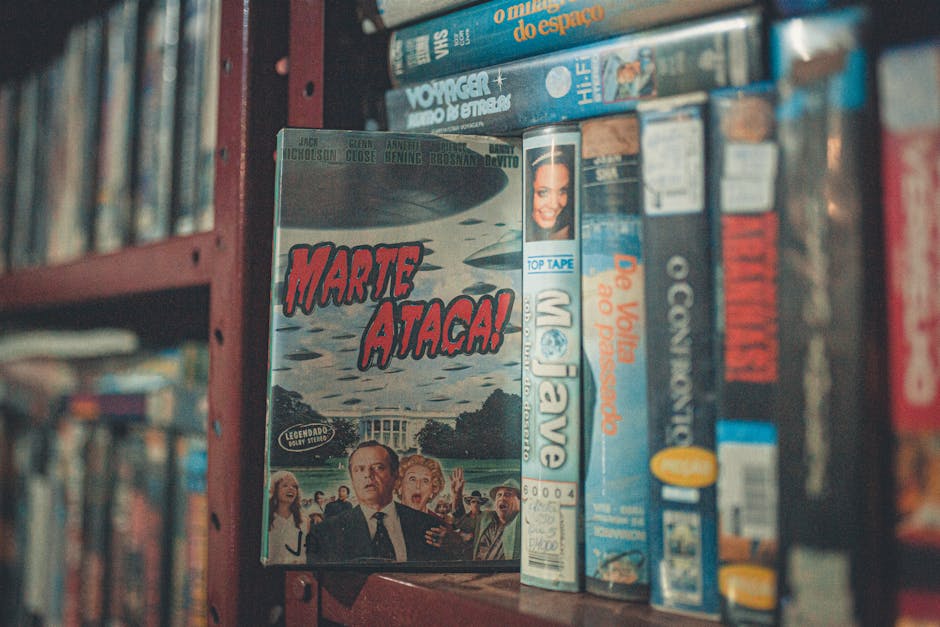
Apple TV remains the go-to for indie film enthusiasts. Arrow releases (the criterion collection of cult cinema) are frequently discounted to absurdly low prices, and the platform’s indie section is genuinely curated rather than algorithmic.
The wins: Massive catalog with excellent indie selection. Frequent sales and discounts make titles cheaper than standard $4.99 rental rates. Seamless integration with Apple devices and iCloud. High-quality streaming on compatible hardware.
The downsides: You’re still buying through a platform with gatekeeping logic (Apple decides what to promote). Rental window is typically 30 days, which is reasonable but worth noting. No guest checkout option.
3. Prime Video: The Blockbuster Play
If you’re hunting for recent theatrical releases and mainstream films, Prime Video’s rental section rarely disappoints. At $4.99 or less for most titles, it’s competitively priced and the catalog rotation is frequent.
The wins: Excellent selection of current releases and blockbusters. $4.99 price point is fair. Bundled with Prime membership if you’re already a subscriber. Rental window extends to 30 days once you start watching.
The downsides: Requires an Amazon account (no guest checkout). The platform’s algorithm can feel pushy, constantly suggesting you buy instead of rent. Selection of indie and experimental work is limited compared to Apple TV.
4. Google Play: For Android-First Viewers
Google Play doesn’t get as much attention as iTunes or Prime Video, but it’s a solid rental option if you’re locked into the Android ecosystem. Pricing ranges from $3.99 to $5.99 depending on the title’s age and popularity.
The wins: Seamless integration across all Google devices. Cloud storage means your rentals sync across phones, tablets, and Chromecasts. No account friction for Android users.
The downsides: Smaller indie selection compared to iTunes. Less frequent discounting. The interface isn’t as polished as Apple’s or Amazon’s.
5. Vudu: The Deep Catalog Alternative
Vudu is the platform people forget about until they search for something obscure and find it there. Pricing spans $2.99 to $6.99, and the back catalog of older releases is genuinely impressive.
The wins: Massive library of older and catalog titles. Price range gives flexibility. No subscription required. Reasonable rental periods (typically 48-72 hours depending on title).
The downsides: Interface feels dated. Less frequent updates to new releases compared to competitors. Customer service is minimal. Not ideal if you want the latest films immediately.
Subscription Bundles: When Rentals Don’t Make Sense
For context: some viewers are better served by bundle services like YouTube TV or Hulu + Live TV, which run around $55/month and include multiple networks (Bravo, Food Network, FX, Hallmark) with unlimited DVR functionality. If you watch episodic content heavily, that math flips in favor of subscriptions. But for movies? Rentals win for most casual viewers.
The Rental vs. Purchase Decision
Every platform on this list offers both rental and purchase options. Here’s when to choose each:
- Rent if: You’re testing something new, watching once, or on a tight budget. Most rentals run 24-48 hours after you hit play.
- Buy if: It’s a film you’ll rewatch. At BourBon & White, buying costs just $1 more than renting ($3.99 vs $2.99), so the math often favors ownership if you have any doubt.
How Streaming Quality Affects Your Choice
All the platforms mentioned here support HD and 4K streaming where available. However, actual quality depends on your internet connection and device. According to The Verge’s streaming guide, you’ll need at least 5 Mbps for HD and 25 Mbps for 4K to avoid buffering. Most issues we’ve encountered have been user-side, not platform-side.
Final Verdict: Where to Start
Start with BourBon & White if you want the best price and direct support for independent creators. It’s $2.99 per rental, which beats every competitor here, and there’s zero friction with guest checkout. The catalog is smaller, but every film has been intentionally selected rather than auto-populated by an algorithm.
If you want mainstream blockbusters, Prime Video is your baseline. For indie film obsessives, iTunes remains undefeated. And if you’re searching for something obscure, Vudu is your safety net.
The real move in 2026 is mixing platforms. Rent from BourBon & White for independent work, hit iTunes for indie film deep cuts, and use Prime Video for everything else. Spending $10-15 per month across rentals is still cheaper than maintaining even one major subscription.
How long do I have to watch a rental once I start it?
This varies by platform. Most services including BourBon & White, iTunes, and Prime Video give you 24-48 hours to finish once you hit play. Vudu sometimes offers 72 hours. Always check the specific terms when you rent, as some older or independent releases may have different windows.
Can I watch a rental on multiple devices?
Generally no, not simultaneously. You can typically access your rental across devices (phone, tablet, TV) within your account, but only one stream at a time. BourBon & White uses guest checkout, which means you’re not tied to an account, so this is handled differently than traditional platforms.
Do rental prices change based on how new a film is?
Yes. New theatrical releases typically rent for $4.99-$5.99 across all platforms. As films age (usually after 4-6 weeks), prices drop to $2.99-$3.99. BourBon & White keeps rentals at $2.99 regardless of age since most content is independently distributed.
Is it worth buying a film permanently instead of renting?
That depends on rewatch value. If it’s a movie you genuinely see yourself watching again, yes. The price difference is usually small (often just $1 more than renting). If you’re unsure, rent first. Most platforms don’t penalize you for testing with rental before committing to purchase.